The Making of Nokia’s Iconic Snake Game: The Story of Taneli Armanto
In the 90s, when mobile phones were still a new thing, a small game appeared that would change mobile entertainment for good. Nokia’s Snake was simple and addictive and it quickly became a favorite for millions of people around the world. But who came up with the idea in the first place? This is the story of Taneli Armanto, the developer who brought Snake to life.
How Snake Got Started
Before focusing on Armanto himself, it helps to look at where the idea of Snake actually came from. The basic concept of a growing snake that collects food while avoiding obstacles already existed. In 1976, Gremlin Industries released an arcade game called Blockade, which is often considered the earliest ancestor of Snake. During the 80s and 90s, other versions appeared on computers and consoles, including Nibbler and Rattler Race.
Who Is Taneli Armanto
Taneli Armanto is a Finnish software engineer who joined Nokia in the 1990s, right when the company was expanding fast and working on new technology. Armanto believed that games could improve the overall experience of using a mobile phone and he wanted to explore how entertainment could fit into daily use.
How Snake Arrived on Nokia Phones
In 1997, Armanto was assigned to create new features for the Nokia 6110, one of the company’s newest phones at the time. He wanted to design a simple game that people would enjoy and that would also show what the device was capable of.
He chose the Snake concept because it was easy to understand and required very little processing power. Armanto wrote the entire game himself and made sure it ran smoothly on the ARM7 processor with a clock speed of 33 MHz, along with the small monochrome screen on the Nokia 6110.
Challenges and Clever Ideas
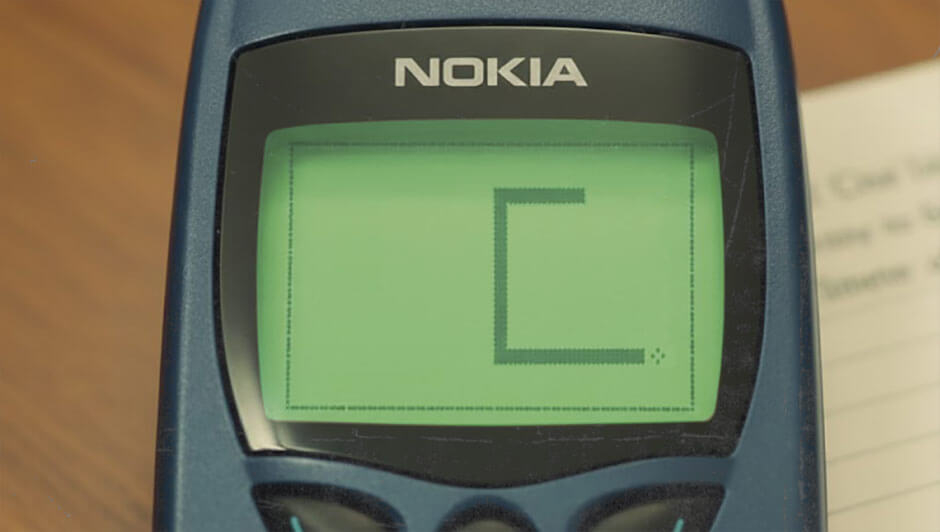
Creating a game for a mobile phone was far from easy, since the hardware was very limited compared to today. Armanto had to make smart decisions to keep the game fun and smooth to play. Here is what he came up with:
- He used the four directional buttons so anyone could start playing immediately
- He worked with black and white graphics and kept every element clear and visible
- He wrote extremely compact code so the game took almost no space, with the entire original Snake fitting into only 2 kilobytes
Armanto also added something special to make Snake stand out. He included a way to play with a friend through infrared, which made it one of the first multiplayer games ever released on a mobile phone.
Snake’s Impact on the Mobile World
When Snake launched on the Nokia 6110, it became an instant hit. Since the game came preinstalled, millions of people had access to it right away. Here are a few ways Snake changed the mobile industry:
- It proved that people love playing games on their phones
- It showed that simple ideas can become global hits
- It strengthened Nokia’s reputation as a company that understood what users wanted
What Came Next for Taneli Armanto
After Snake became a success, Armanto continued working at Nokia and helped develop more mobile games and applications. He contributed to titles like Space Impact and Bantumi, which helped make entertainment a regular part of mobile phones. In 2005, he received a special award from the Mobile Entertainment Forum for his influence on mobile gaming.
His Connection to Snake II
In 2000, Snake II appeared on the Nokia 3310, one of the most iconic mobile phones ever released. This version turned into a huge success of its own. Although there is little documentation about Armanto’s direct involvement, his original work and ideas likely influenced the development of Snake II. Even without direct programming input, his concept played a role in how the game evolved.
Snake Rewind: A New Start
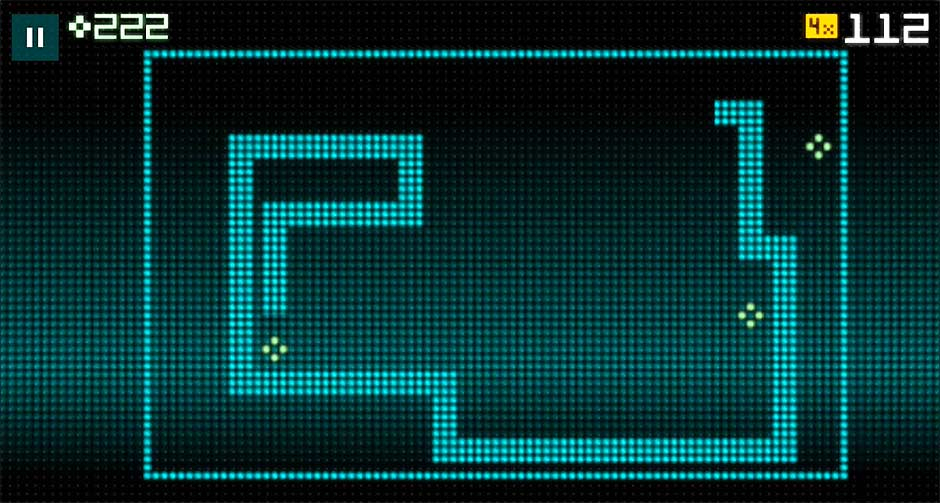
In 2015, Armanto worked with the Finnish studio Rumilus Design to create Snake Rewind, a modern version of the classic. The goal was to blend the feel of the original with updated visuals and new features. It never reached the popularity of the original Snake, but it showed that Armanto still cared about creating enjoyable games.
The Legacy of Snake and Taneli Armanto
Snake had a huge impact on mobile gaming. It entertained millions of users and helped shape the future of games on phones. Armanto’s choice to create something simple and addictive still matters today, even as modern games become more complicated.
Conclusion
The story of Taneli Armanto and Nokia’s Snake shows how one creative idea can leave a lasting mark on technology and culture. Armanto worked within the limits of the time and created a game that people still remember fondly. His contribution remains an important part of mobile gaming history.