Is Snake the First Video Game Ever Made? Think Again
Ever played Snake on your phone and thought it must be one of the oldest games ever? Snake may feel like a timeless classic, but compared to the earliest video games, it is actually quite new. Let’s go through the top 10 oldest video games ever recorded and head back to the very beginning of gaming. Spoiler alert: the roots of video games are older and nerdier than most people think.
Before we get started, here’s something fun. The first video games weren’t built to entertain. A lot of them were designed for scientific demos or just to show off new tech. Even so, those early experiments paved the way for the games we love today. Ready to meet the early ancestors of modern gaming?
10. Space Race (1973)
Developer: Atari, Inc.
Platform: Arcade
Release date: July 16, 1973
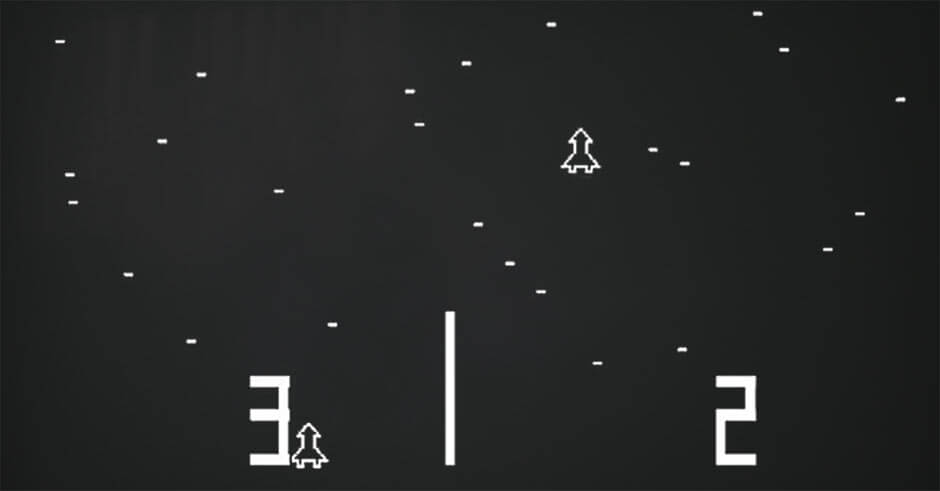
We start the list with Space Race, the second game ever released by Atari after Pong. In this one, players guided spaceships upward while dodging asteroids, trying to be the first to reach the top. It sounds simple now, but back then it was high-tech multiplayer action. Space Race gave us one of the first real tastes of head-to-head gameplay.
9. Pong (1972)
Developer: Atari, Inc.
Platform: Arcade, dedicated console
Release date: November 29, 1972
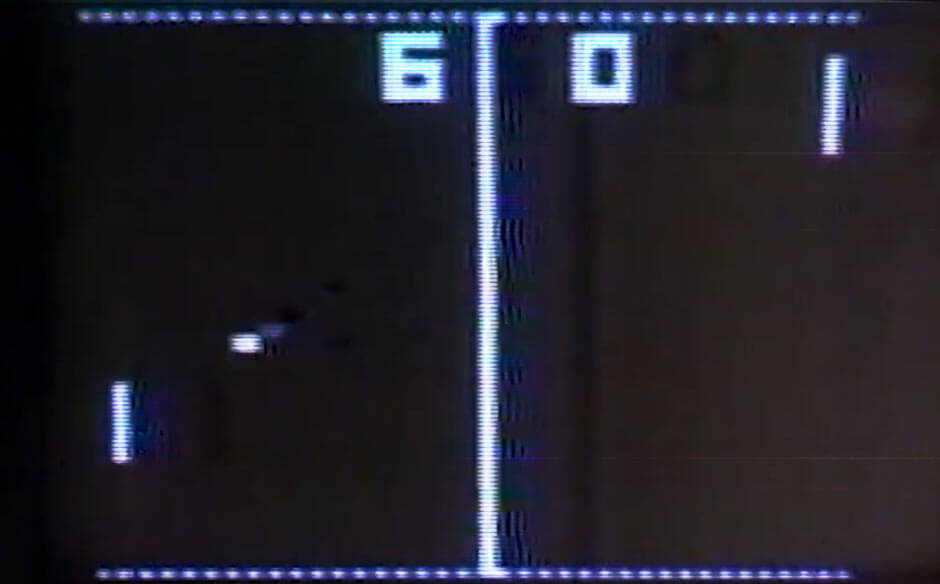
Pong is often seen as the first hit video game. It wasn’t the first ever made, but it was the first one to become a big success. It was a table tennis game with two paddles and a bouncing ball. Atari’s founder, Nolan Bushnell, got the idea after seeing a similar game on the Magnavox Odyssey. Pong’s massive success turned Atari into a household name and helped launch the entire arcade industry.
8. The Magnavox Odyssey Library (1972)
Developer: Sanders Associates (Ralph Baer’s team)
Platform: Home console
Release date: September 1972
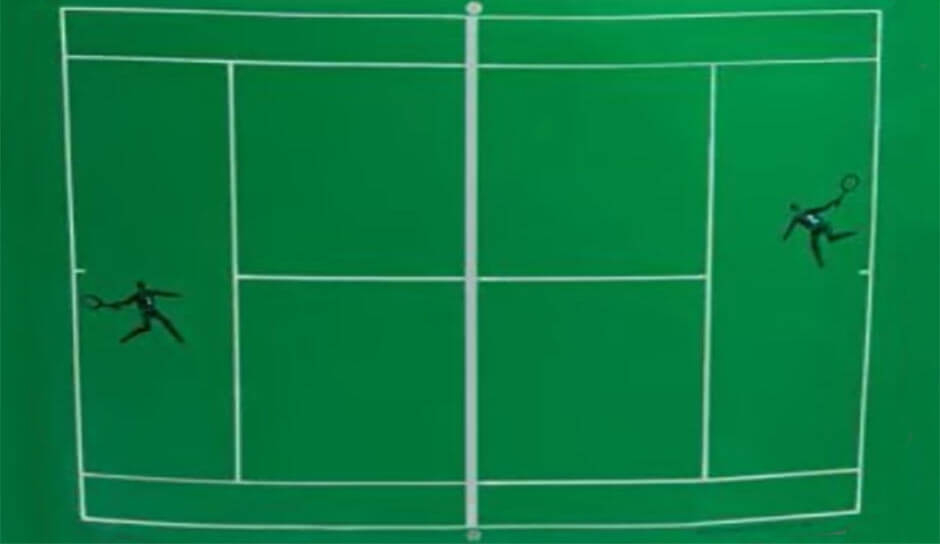
The Magnavox Odyssey was the first home console. Designed by Ralph Baer, who’s now known as the father of home video games, it marked the start of living room gaming. The visuals were basic, but players stuck plastic overlays on their TVs to bring the games to life. Titles included Tennis, Ski, Hockey and Simon Says. It was simple, but it changed everything.
7. The Oregon Trail (1971)
Developers: Bill Heinemann, Don Rawitsch, Paul Dillenberger
Platform: Computer
Release date: December 3, 1971
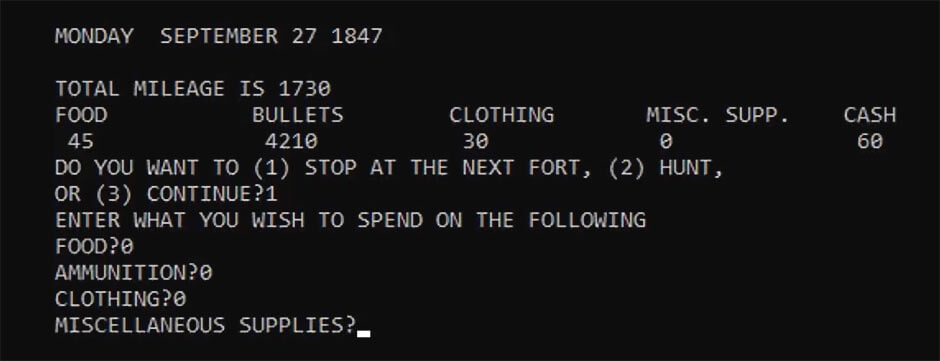
The Oregon Trail blended education and gameplay in a way that worked. Players led a group of settlers heading west, making decisions about food, hunting and travel. It was mostly text-based, but it had random events and a lot of personality. If you ever saw “You have died of dysentery,” you were probably hooked.
6. Computer Space (1971)

Developer: Syzygy Engineering (later Atari)
Platform: Arcade
Release date: Holiday season, 1971
Computer Space was the first video arcade game to hit the market. It was created by Nolan Bushnell and his team before Atari was officially formed. Players controlled a spaceship and shot down flying saucers. It didn’t sell as well as Pong, but it showed that video games could be placed in arcades and make real money.
5. Galaxy Game (1971)

Designers: Bill Pitts, Hugh Tuck
Platform: Arcade
Release date: November 1971
Galaxy Game was another early arcade title. It was also a space shooter, with two players flying ships around the screen and firing torpedoes while managing limited fuel. It was originally set up at Stanford University and had sleek vector graphics. It looked futuristic and helped shape the future of multiplayer games.
4. Speedway (1969)
Developer: Chicago Coin Machine Co.
Platform: Arcade
Release date: 1969
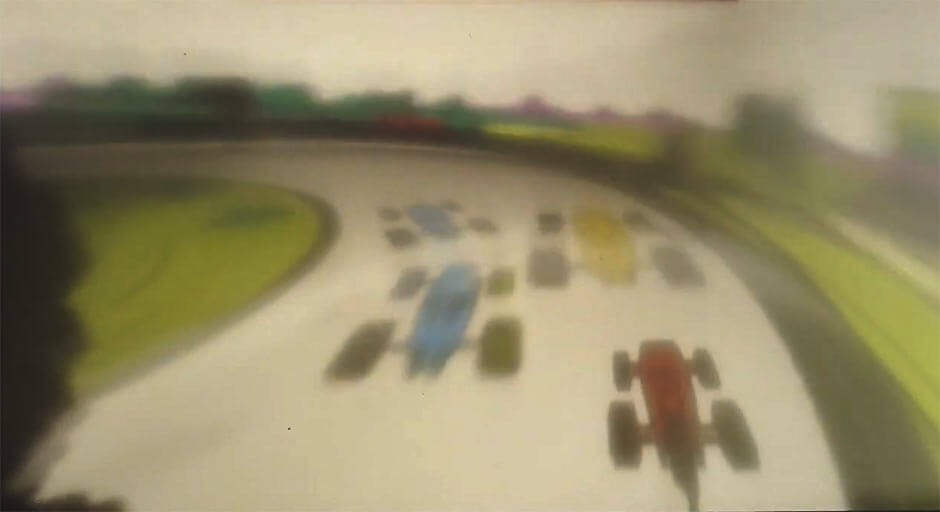
Speedway was one of the first driving games. It didn’t use a video screen but instead relied on moving belts and printed tracks to simulate motion. Players used a steering wheel and pedals. Color overlays and lights made the action more exciting. It mixed mechanical and electronic parts and laid the groundwork for arcade racers.
3. Periscope (1966)

Developer: Sega
Platform: Arcade
Release date: 1966
Periscope was an arcade game where players looked through a real periscope to fire torpedoes at enemy ships. The game used backlit visuals and sound effects to create impact. It was one of the first arcade games to cost a quarter per play and helped Sega gain its footing in the market.
2. Spacewar! (1962)
Designer: Steve Russell
Platform: Computer (PDP-1)
Release date: April 1962
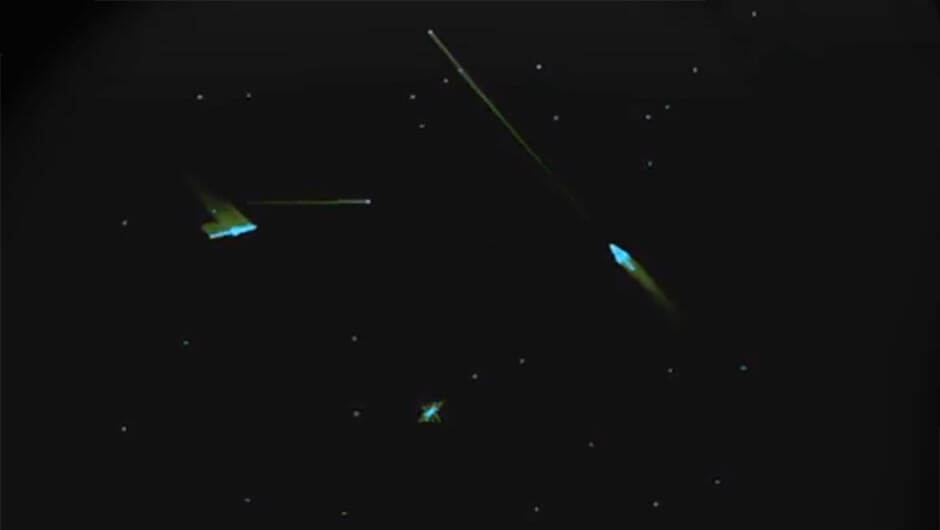
Spacewar! was built by students at MIT. It had two ships flying in space, affected by gravity and firing missiles. Players had full control over direction and speed. The graphics ran on a CRT screen and looked impressive for the time. Spacewar! wasn’t sold to the public, but it became a cult hit among computer users and early tech fans.
1. Tennis for Two (1958)
Designer: William Higinbotham
Platform: Oscilloscope
Release date: October 18, 1958
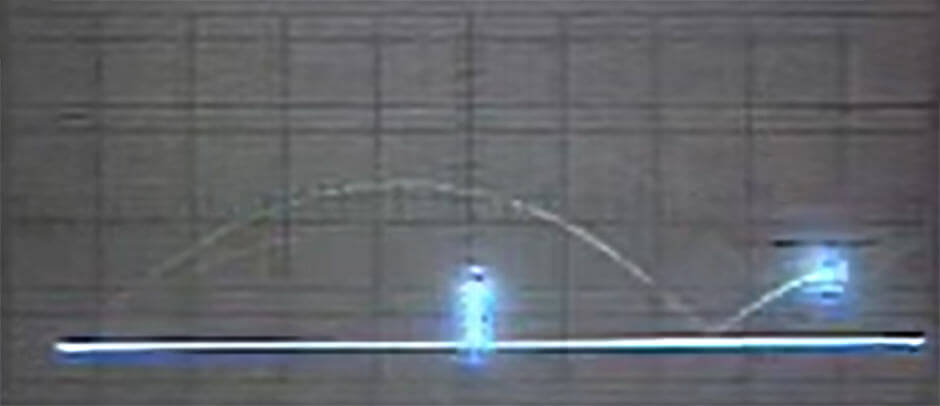
Tennis for Two is where it all began. Built by physicist William Higinbotham, it was shown at a lab open house to entertain guests. It ran on an oscilloscope and let two players hit a virtual ball back and forth using knobs. It had a side view of a tennis court and was a huge hit at the time.
Higinbotham didn’t see it as a big deal. He didn’t patent it and called it a fun side project. Funny enough, this was the same guy who worked on the Manhattan Project. He created the first real video game just for fun.
Honorable Mentions: Even Older Than Snake
These three machines may not fit the official definition of a video game, but they were early examples of interactive computer entertainment.
- Bertie the Brain (1950). A giant computer that played Tic-Tac-Toe. It stood over four meters tall and could adjust its difficulty. It was built for the Canadian National Exhibition but dismantled after the event.
- Nimrod (1951). A machine created for the Festival of Britain that played the game Nim. It didn’t have a screen but used lights to display moves. It was more about showing off computing power than gameplay, but it was still interactive.
- OXO (1952). Also known as Noughts and Crosses, this was a Tic-Tac-Toe game developed at Cambridge for a PhD project. It ran on the EDSAC computer and used a CRT display. It was one of the earliest video games, but only a few people ever saw it.
So, Is Snake the First Video Game?
Not even close. Video games go back more than 60 years, with all kinds of experimental machines and creative thinkers paving the way. Snake is a legend, but it arrived decades after pioneers like Pong, Spacewar! and Tennis for Two. Each of those early games helped build the industry we know today.